
Introduction:-
India is often called “the land of farmers” because agriculture has been the backbone of the country for centuries. Even today, millions of families depend on farming for their livelihood. Farmers grow the food that reaches our homes every day, making them one of the most important contributors to society.
However, despite their importance, many farmers face financial challenges. Their income is often uncertain, and they have to deal with problems such as changing weather conditions, rising farming costs, and unstable market prices. While some farmers have improved their earnings through modern farming methods, many others still struggle to achieve financial stability.
The economic condition of Indian farmers is a topic that deserves attention because the growth of agriculture is directly connected to the growth of the country. Understanding their situation can help us appreciate their contribution and recognize the challenges they face.
The Importance of Farmers in India:-
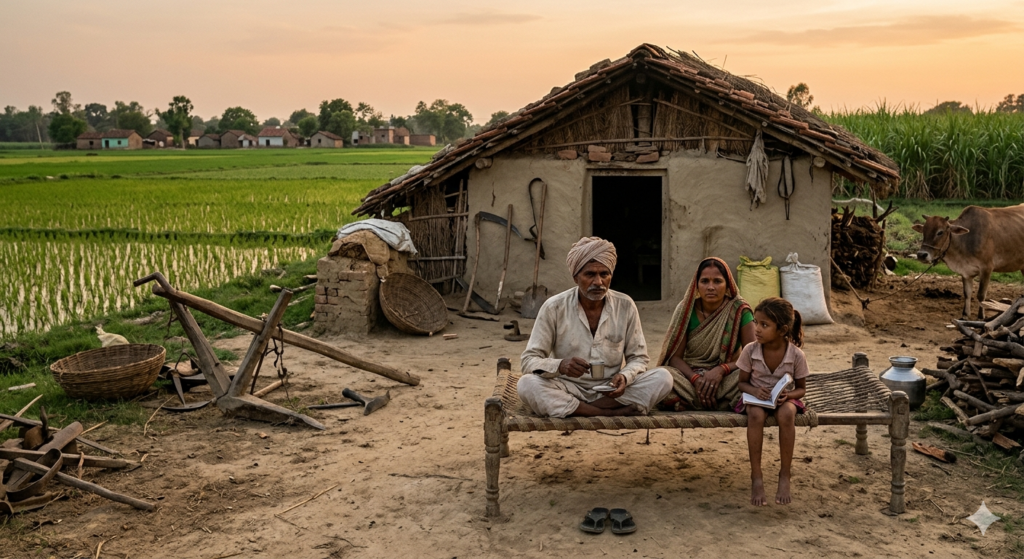
Farmers play a major role in the development of the nation. Agriculture is not only a source of food but also a source of employment and economic activity.
Some key contributions of farmers include:-
Producing food for more than a billion people.
Providing raw materials for industries such as textiles, sugar, tea, and food processing.
Creating employment opportunities in rural areas.
Supporting exports through agricultural products.
Contributing to the overall economic growth of the country.
Without farmers, maintaining food security and economic stability would be impossible.
Understanding the Economic Condition of Farmers:-
The economic condition of Indian farmers varies from region to region. Some farmers own large farms and have access to modern technology, while others have very small land holdings and limited resources.
A large number of Indian farmers belong to the small and marginal category. They cultivate small pieces of land, which limits their production and income. Their earnings often depend on the success of a single crop season. If the crop fails, their financial condition can become difficult.
In recent years, government support, better irrigation facilities, and improved technology have helped some farmers increase their income. However, many challenges still remain.
(Major Challenges Faced by Indian Farmers)
1. Small Land Holdings:-
One of the biggest problems is the small size of agricultural land. As land gets divided among family members over generations, farm sizes become smaller.
Small farms create several difficulties:-
Lower production levels.
Limited use of modern machinery.
Reduced profits.
Higher production costs per acre.
As a result, many farmers find it difficult to earn a satisfactory income.
2. Dependence on Weather:-
Agriculture is highly dependent on nature. Unexpected weather changes can seriously affect crop production.
Some common weather-related problems include:-
Droughts
Floods
Heat waves
Unseasonal rainfall
Hailstorms
A single natural disaster can destroy months of hard work and reduce a farmer’s income significantly.

3. Increasing Cost of Cultivation:-
The cost of farming has increased steadily over the years. Farmers spend money on:-
Seeds
Fertilizers
Pesticides
Irrigation
Machinery
Fuel
Transportation
When the selling price of crops does not increase at the same rate, farmers earn lower profits.
4. Unstable Market Prices:-
Market prices often change because of supply and demand. Sometimes farmers receive good prices for their produce, while at other times prices fall sharply.
For example, if many farmers grow the same crop in a season, the market may become flooded with that crop. As supply increases, prices may fall, reducing farmers’ earnings.
5. Limited Storage Facilities:-
Many farmers do not have access to proper storage facilities. Because of this, they are forced to sell their crops immediately after harvest.
This situation creates two problems:-
Farmers cannot wait for better market prices.
Produce may spoil if stored improperly.
Improved storage facilities can help farmers earn better returns.
6. Debt and Loans:-
Farming often requires investment before any income is earned. Farmers frequently take loans to purchase seeds, fertilizers, and equipment.
When crops fail or prices fall, repaying these loans becomes difficult. This financial pressure affects the economic condition of many farming families.
(Government Efforts to Support Farmers)
The government has introduced several schemes to improve the lives of farmers and strengthen the agricultural sector.
Minimum Support Price (MSP):-
MSP provides a minimum guaranteed price for certain crops. This helps protect farmers from major losses when market prices decline.
PM-KISAN Scheme:-
Under this scheme, eligible farming families receive financial assistance directly into their bank accounts. This support helps farmers manage daily and agricultural expenses.
Crop Insurance Programs:-
Crop insurance protects farmers from losses caused by natural disasters, pests, and diseases. It provides financial security during difficult times.
Irrigation Projects:-
Various irrigation projects aim to provide water to agricultural land throughout the year. Better irrigation reduces dependence on rainfall and improves productivity.
(Agricultural Training Programs)
Training programs educate farmers about:-
Modern farming methods
Water conservation
Soil health management
Efficient use of fertilizers
Crop diversification
These programs help farmers improve productivity and income.
Role of Technology in Modern Farming:-
Technology is transforming agriculture in India. Modern tools and digital services are making farming more efficient and profitable.
Some important developments include:-
Modern Machinery:-
Machines such as tractors, harvesters, and seed drills reduce labor and save time.
Improved Irrigation Systems:-
Drip irrigation and sprinkler systems help save water while increasing crop yields.
Weather Forecasting:-
Mobile applications and online services provide weather updates, helping farmers make informed decisions.
Digital Marketplaces:-
Online platforms allow farmers to connect with buyers directly and access better market opportunities.
Soil Testing:-
Soil testing helps farmers understand nutrient requirements and improve crop productivity.
Technology is becoming an important tool for improving the economic condition of farmers.
A Real-Life Example:-
Consider a farmer named Rakesh who owns a small farm in a village. For many years, he depended only on traditional farming methods and rainfall. His crop production remained low, and his income was uncertain.
After attending an agricultural training program, he learned about drip irrigation and crop diversification. Instead of growing only one crop, he started cultivating vegetables along with his regular crops.
The results were encouraging:-
Water consumption decreased.
Crop yields improved.
Income increased.
Financial risks were reduced.
This example shows how knowledge and technology can help improve the economic condition of farmers.
Why Improving Farmers’ Income Is Important????
When farmers earn better incomes, several positive changes occur:-
Rural living standards improve.
Children receive better education.
Healthcare access increases.
Local businesses grow.
Rural employment opportunities expand.
A financially strong farming community contributes to the overall development of the country.
Steps That Can Improve Farmers’ Economic Condition
To improve the lives of farmers, several measures can be taken:-
Increase access to modern technology.
Expand irrigation facilities.
Improve rural infrastructure.
Provide affordable agricultural loans.
Strengthen crop insurance programs.
Develop better storage and warehousing systems.
Promote farmer producer organizations.
Encourage sustainable farming practices.
Improve market access.
Increase awareness of government schemes.
These steps can help create a more stable and profitable agricultural sector.
Future of Indian Agriculture:-
The future of Indian agriculture looks promising. New technologies, better infrastructure, and growing awareness among farmers are creating opportunities for improvement.
Young people are also showing interest in modern agriculture, agribusiness, food processing, and agricultural technology. This shift can bring innovation and increase productivity.
Climate-smart farming, efficient water management, and digital agriculture are expected to play a major role in the coming years. If farmers receive continuous support, the agricultural sector can become more productive and profitable than ever before.
Conclusion:-
Indian farmers are the backbone of the nation. They work tirelessly to provide food and support the economy. Although many farmers face challenges such as small land holdings, weather uncertainties, rising costs, and market fluctuations, significant efforts are being made to improve their economic condition.
Government schemes, modern technology, improved irrigation, and better market opportunities are helping farmers move toward a more secure future. However, continuous support and investment are necessary to ensure long-term progress.
The prosperity of farmers is closely connected to the prosperity of India. When farmers succeed, villages develop, food security strengthens, and the entire nation benefits. Therefore, improving the economic condition of Indian farmers should remain a priority for sustainable and inclusive growth.