
Introduction:-
When people discuss agriculture, most attention is given to crops and farming. However, dairy and livestock activities are equally important for economic growth. In fact, for many rural families, animals are not just a source of food but also a source of income, security, and stability.
Milk, eggs, meat, wool, and other animal products are used every day. This creates continuous demand and helps farmers earn income throughout the year. Over time, dairy and livestock farming have become an important pillar of the rural economy, supporting millions of households and contributing to overall development.
Why Dairy and Livestock Matter?????
One of the biggest advantages of livestock farming is that it provides regular earnings. Crop farmers often wait for months to harvest and sell their produce, but dairy and livestock farmers can earn money daily or weekly.
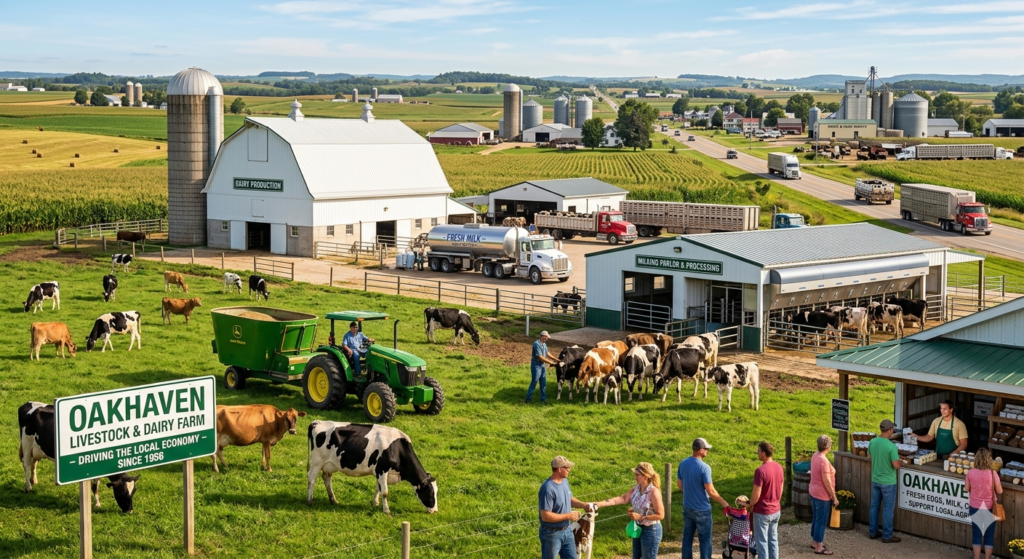
The sector supports people through:-
Milk production
Egg production
Meat production
Wool and leather products
Organic manure production
Because of these activities, livestock farming helps families maintain a steady flow of income.
A Reliable Source of Income:-
In many villages, livestock acts as a financial support system. Even when crops are affected by drought, floods, or market problems, farmers can continue earning from their animals.
For example, a farmer with two buffaloes may sell milk every morning to local households. The income earned may cover daily expenses such as food, education, transportation, and healthcare.
This regular income makes dairy farming one of the most dependable activities in rural areas.
Benefits of Regular Income:-
Helps meet daily household needs
Reduces dependence on seasonal crops
Provides support during emergencies
Improves financial stability
Many farmers consider livestock their “living savings account” because animals can be sold when money is urgently needed.
Employment Generation Beyond Farms:-
The dairy and livestock sector creates employment opportunities for millions of people.
Jobs are available in:-
Animal care and management
Milk collection centers
Veterinary services
Transportation
Feed manufacturing
Dairy processing units
Retail and marketing
What makes this sector special is that its benefits do not stop at the farm level. A single dairy business can support transport workers, shop owners, feed suppliers, and processing workers.
As the sector grows, employment opportunities also increase.
Strengthening the Rural Economy:-
One observation that can be seen in many rural communities is that villages with active dairy and livestock activities often have stronger local economies.
When farmers earn money from milk or livestock sales, they spend that money within their community. They buy groceries, farming equipment, medicines, and other necessities from local businesses.
This circulation of money creates economic activity and supports rural development.
As a result, dairy and livestock farming contributes not only to individual households but also to the growth of entire communities.
Contribution to Food Security and Nutrition:-
A strong economy depends on a healthy population. Dairy and livestock products play a major role in improving nutrition.
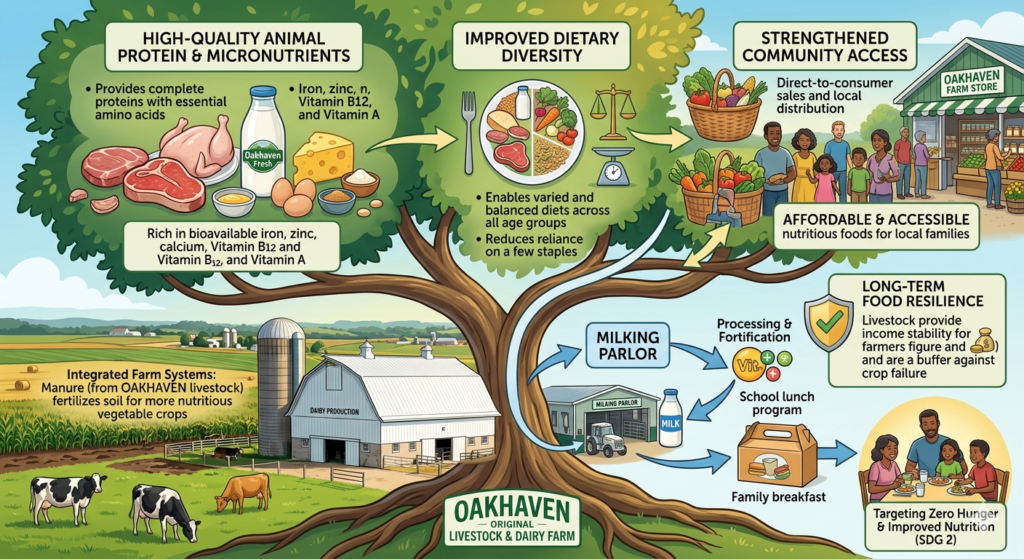
These products provide important nutrients such as:-
Protein
Calcium
Iron
Vitamins
Essential minerals
Milk helps in bone development, eggs provide high-quality protein, and other animal products contribute to a balanced diet.
For many families, these products are affordable sources of nutrition and help improve overall health.
Real-Life Example:- The Story of a Small Farmer
Imagine a small farmer who owns three cows and a few goats.
Every day, the farmer sells milk to nearby customers and occasionally sells goats when extra money is needed. During a year when crop production is lower due to poor rainfall, the family still has income from milk sales.
The money earned helps:-
Pay school fees
Buy seeds and fertilizers
Cover medical expenses
Manage household needs
This simple example shows how livestock farming provides stability when other sources of income become uncertain.
Women:- The Backbone of Dairy Activities
In many households, women play a key role in dairy and livestock management.
Their responsibilities often include:-
Feeding animals
Cleaning shelters
Milking animals
Caring for young animals
Managing small dairy-related activities
Through these activities, women contribute directly to family income.
Many successful dairy enterprises in rural areas are built on the hard work and dedication of women. Their involvement strengthens both family finances and local economies.
Support to Various Industries:-
The impact of dairy and livestock farming extends far beyond villages and farms.
Several industries depend on this sector, including:-
(Dairy Processing Industry)
Milk is converted into products such as:-
Butter
Cheese
Yogurt
Paneer
Ghee
Ice cream
These products create additional value and generate employment.
(Feed Industry)
Livestock requires nutritious feed, creating opportunities for feed manufacturers and suppliers.
(Leather and Wool Industries)
Animal-based products support manufacturing and small-scale industries.
Because of these connections, the sector contributes significantly to economic growth.
Environmental Benefits of Livestock Farming:-
When managed properly, livestock farming can support sustainable agriculture.
(Organic Manure)
Animal waste can be converted into natural fertilizer.
Benefits include:-
Improved soil fertility
Better crop productivity
Reduced dependence on chemical fertilizers
(Biogas Production)
Animal waste can also be used to generate biogas.
This provides:-
Clean energy
Lower fuel costs
Reduced environmental pollution
These practices help create a more sustainable farming system.
Challenges Facing the Sector
Despite its importance, the dairy and livestock sector faces several challenges.
Some major challenges include:-
Animal diseases and health issues
Increasing feed costs
Limited veterinary facilities in some areas
Climate-related stress on animals
Market price fluctuations
If these challenges are not addressed, they can affect productivity and farmer income.
Opportunities for Future Growth:-
The future of dairy and livestock farming looks promising because demand for animal products continues to grow.
Important areas for improvement include:-
Better veterinary healthcare
Improved animal breeds
Scientific feeding practices
Digital technologies for farm management
Farmer training programs
Better storage and transportation facilities
These improvements can increase productivity, reduce losses, and improve incomes for farming families.
Possibilities:-
As agriculture continues to modernize, dairy and livestock farming will become even more important. The sector provides regular income, creates jobs, supports industries, improves nutrition, and strengthens rural communities.
In my opinion, one of the greatest strengths of livestock farming is its ability to provide confidence to farmers. Crops may fail because of weather conditions, but livestock often continues to generate income and support families during difficult times.
This makes dairy and livestock farming not only an agricultural activity but also an important tool for economic security and rural development.
Conclusion:-
Dairy and livestock farming are among the strongest contributors to the economy. They support millions of households, create employment opportunities, improve nutrition, and encourage industrial growth. More importantly, they provide financial stability to families who depend on agriculture for their livelihood.
From a small farmer selling milk in a village to industries producing value-added products, the benefits of this sector reach every level of the economy. With proper support, modern technology, and sustainable practices, dairy and livestock farming can continue to play a major role in economic growth and rural prosperity for many years to come.