
Introduction:-
Agriculture has always been an important part of the economy and the daily lives of millions of people. It provides food, employment, and income to a large section of the population. However, farming today faces many challenges such as changing weather patterns, rising costs of seeds and fertilizers, water shortages, and unstable market prices. Because of these problems, agricultural reforms have become necessary.
Agricultural reforms refer to changes and improvements made in farming policies, systems, and practices to help farmers increase production, earn better income, and improve their quality of life. These reforms focus on making agriculture more modern, productive, and sustainable. They also aim to ensure that farmers receive the support they need to succeed in a rapidly changing world.
Understanding Agricultural Reforms:-
Agricultural reforms are efforts made to improve the overall agricultural sector. They help farmers adopt better methods of cultivation, gain access to modern technology, and connect with markets more effectively.

Main Goals of Agricultural Reforms::
Increase agricultural productivity.
Improve farmers’ income.
Reduce production costs.
Encourage modern farming methods.
Strengthen rural infrastructure.
Promote sustainable use of natural resources.
Improve market opportunities for farmers.
Reduce post-harvest losses.
These goals are important for creating a stronger and more efficient agricultural system.
Why Agricultural Reforms Are Necessary????
The agricultural sector faces several challenges that affect both farmers and consumers. Reforms are needed to address these issues and create long-term solutions.
Major Challenges Faced by Farmers:-
Unpredictable weather conditions.
Increasing cost of farming inputs.
Limited access to modern technology.
Water scarcity in many regions.
Crop damage caused by pests and diseases.
Lack of proper storage facilities.
Fluctuating market prices.
Without reforms, these problems can reduce productivity and make farming less profitable.
Modernization of Agriculture::-
One of the most important aspects of agricultural reforms is modernization. Modern farming techniques help farmers increase efficiency and improve crop quality.
Important Modern Farming Practices:-
Use of advanced machinery.
Precision farming techniques.
Improved irrigation systems.
Digital agricultural services.
Scientific soil management.
Example:-
A farmer using modern equipment can complete farming activities more quickly and reduce labor costs. This allows more time to focus on crop management and planning.
Digital Transformation in Agriculture:-
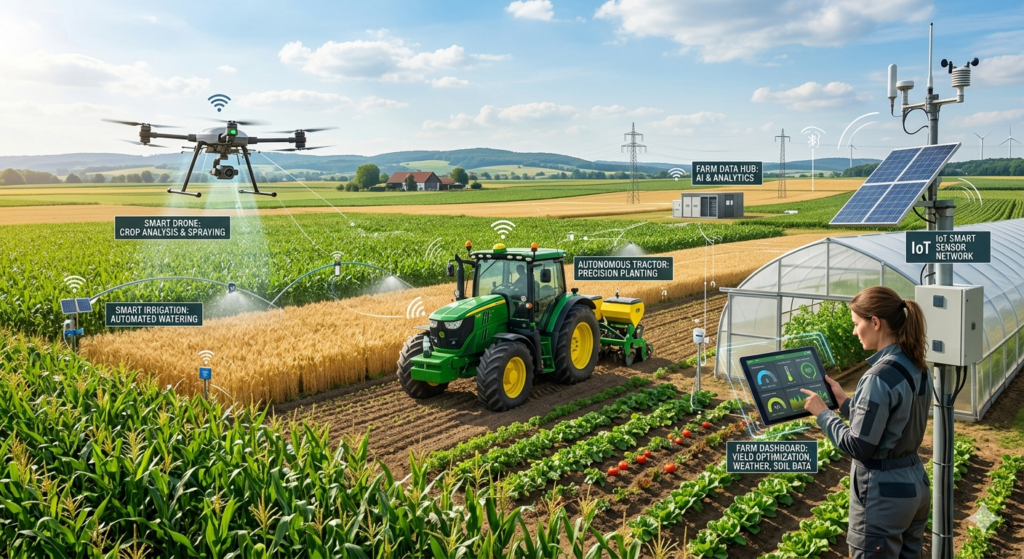
Technology is playing an increasingly important role in agriculture. Digital tools help farmers make informed decisions and improve productivity.
Benefits of Digital Agriculture:-
Access to weather forecasts.
Online information about crops.
Digital records of farming activities.
Better communication with agricultural experts.
Faster access to government services.
Example:-
A farmer can receive weather updates on a mobile phone and plan irrigation accordingly. This helps save water and protect crops from unexpected weather conditions.
Importance of Irrigation Reforms:-
Water is one of the most valuable resources in agriculture. Efficient water management is essential for increasing crop production and ensuring sustainability.
Key Improvements in Irrigation:-
Promotion of drip irrigation.
Use of sprinkler systems.
Water conservation projects.
Better management of water resources.
Expansion of irrigation coverage.
Benefits:-
Reduced water wastage.
Higher crop yields.
Lower irrigation costs.
Improved soil moisture management.
Example:-
Drip irrigation delivers water directly to plant roots, reducing waste and helping crops grow more effectively.
Crop Diversification:- A Smart Farming Strategy
Depending on a single crop can be risky for farmers. Crop diversification encourages farmers to grow different types of crops throughout the year.
Advantages of Crop Diversification:-
Reduced financial risk.
Improved soil fertility.
Better use of available resources.
Increased income opportunities.
Enhanced food security.
Example:-
A farmer who grows vegetables, pulses, and fruits along with traditional crops can earn income from multiple sources and reduce dependency on one crop.
Strengthening Agricultural Infrastructure:-
Good infrastructure is necessary for improving agricultural efficiency. Agricultural reforms focus on developing facilities that support farmers throughout the production process.
Important Infrastructure Developments:-
Construction of warehouses.
Expansion of cold storage facilities.
Improvement of rural roads.
Better transportation systems.
Development of food processing units.
Benefits:-
Reduced crop losses.
Improved product quality.
Better market access.
Increased profits for farmers.
Example:-
Fresh fruits and vegetables stored in cold storage facilities remain in good condition for longer periods, allowing farmers to sell them at better prices.
Financial Support and Credit Facilities:-
Access to financial resources is essential for modern farming. Agricultural reforms aim to make credit and financial support more accessible to farmers.
Importance of Financial Assistance:-
Helps farmers purchase quality inputs.
Supports investment in machinery.
Reduces financial pressure.
Encourages adoption of modern techniques.
Example:-
A farmer can use agricultural loans to buy better seeds and farming equipment, leading to higher productivity and income.

Role of Farmer Organizations:-
Farmer organizations help small and medium farmers work together and gain better opportunities.
Benefits of Farmer Groups:-
Collective purchasing of inputs.
Better bargaining power in markets.
Access to training programs.
Sharing of knowledge and resources.
Increased market opportunities.
Example:-
A group of farmers can sell their produce together and negotiate better prices than individual farmers.
Sustainable Agriculture and Environmental Protection
Modern agricultural reforms focus not only on productivity but also on environmental sustainability.
Sustainable Farming Practices:-
Organic farming.
Crop rotation.
Natural farming methods.
Soil conservation.
Water conservation.
Benefits:-
Healthier soil.
Reduced environmental damage.
Improved biodiversity.
Long-term agricultural sustainability.
Example:-
Crop rotation helps maintain soil nutrients and reduces the spread of pests and diseases.
Use of Advanced Technology in Agriculture:-
Technology is transforming agriculture across the world. Farmers are increasingly using modern tools to improve decision-making and efficiency.
Technologies Used in Modern Farming:-
Drones for crop monitoring.
Soil testing devices.
Smart irrigation systems.
Mobile applications.
Artificial intelligence-based advisory services.
Benefits:-
Better crop monitoring.
Faster identification of problems.
Efficient use of resources.
Increased productivity.
Example:-
Drones can capture images of large fields and help farmers identify areas affected by pests or water stress.
(Challenges in Implementing Agricultural Reforms)
Although reforms offer many benefits, several obstacles still need to be addressed.
Common Challenges:-
Limited awareness among farmers.
High cost of advanced technology.
Small land holdings.:-
Lack of training opportunities.
Unequal access to resources.
Climate-related uncertainties.
Addressing these challenges is essential for ensuring that reforms benefit all farmers equally.
Steps for Further Improvement:-
To strengthen the impact of agricultural reforms, additional efforts are needed.
Suggested Measures::
Increase farmer education and training.
Expand access to digital services.
Improve irrigation infrastructure.
Promote sustainable farming practices.
Encourage agricultural research and innovation.
Strengthen rural infrastructure.
Improve access to financial services.
Support small and marginal farmers.
These measures can help create a more inclusive and productive agricultural sector.
Future of Agricultural Reforms:-
The future of agriculture is expected to be more technology-driven, efficient, and environmentally responsible. Farmers will increasingly rely on modern tools and scientific methods to improve productivity and manage risks.
Future Trends
Smart farming technologies.
Precision agriculture.
Greater use of artificial intelligence.
Improved water management systems.
Expansion of digital agricultural services.
Increased focus on sustainability.
These developments can help agriculture meet the growing demand for food while protecting natural resources.
Conclusion:-
Agricultural reforms are essential for building a stronger and more sustainable farming sector. They help farmers increase productivity, improve income, reduce risks, and adopt modern farming methods. Reforms related to technology, irrigation, infrastructure, financial support, and sustainability are creating new opportunities for agricultural growth.
Although challenges still exist, continued efforts can transform agriculture into a more efficient and profitable sector. A strong agricultural system not only benefits farmers but also contributes to economic development, food security, and the overall progress of society. By embracing innovation and sustainable practices, agriculture can continue to support future generations and play a vital role in national development.