
Introduction:- A New Business Era in India
India is no longer just a job-seeking nation. It is becoming a nation of job creators. Over the past decade, the country has experienced a powerful shift in mindset. Young people are no longer afraid to take risks. Instead of searching for safe careers, many are choosing to build something of their own.
In 2025, India has crossed 1,25,000 officially recognized startups, making it one of the largest startup ecosystems in the world. This growth is not accidental. It is the result of digital transformation, supportive policies, rising investor confidence, and a bold new generation of entrepreneurs.
India’s startup journey is not just about numbers. It is about ideas turning into impact.
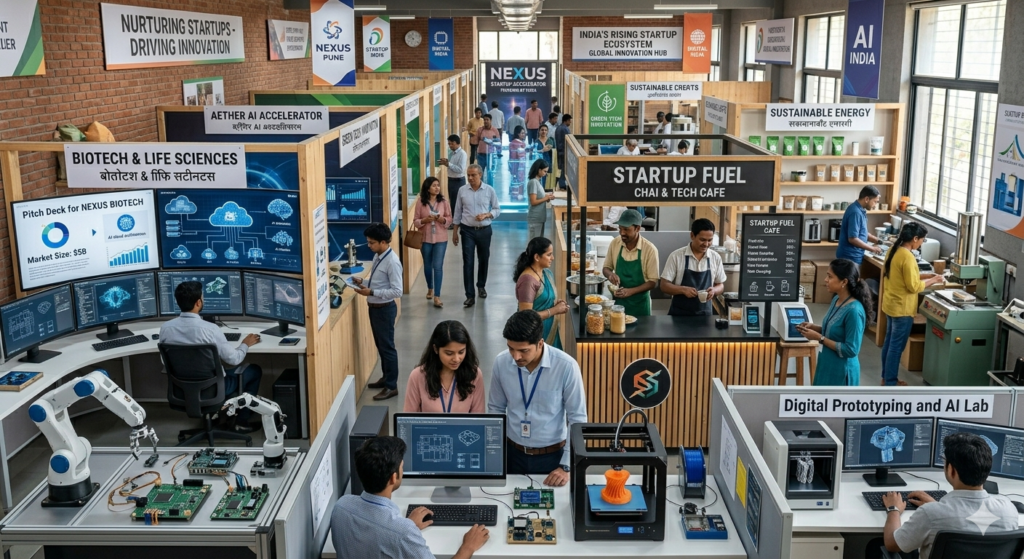
The Big Shift:- From Employment to Entrepreneurship
A few years ago, most students focused only on campus placements. Today, many students graduate with startup ideas already in mind. Entrepreneurship is now seen as a serious career option.
Startups in India have created more than 12 lakh direct jobs in recent years. Indirect employment is even higher. This shows that startups are playing an important role in solving the country’s employment challenges.
The new generation believes in innovation. They want to solve real problems related to finance, education, healthcare, agriculture, logistics, and climate change.
Digital India:- The Backbone of Startup Growth
One of the biggest reasons behind India’s startup rise is digital growth. In 2025, India has more than 880 million internet users. Affordable smartphones and low-cost data have connected even small towns to the digital world.
In current a founder can:-
Launch an app from a small city
Market through social media
Accept digital payments
Serve customers across the country
All this can be done without heavy investment. Technology has reduced the entry barrier for entrepreneurs.
Digital payments, cloud computing, and online platforms have made business operations faster and cheaper. This digital ecosystem has created the perfect environment for startups to grow.
Government Support and Policy Reforms:-
Policy support has strengthened the startup ecosystem. Simplified registration, tax benefits for eligible startups, easier compliance rules, and funding initiatives have encouraged many first-time founders.
The focus in 2025 is on:-
Innovation-driven development
Self-reliance in manufacturing
Support for AI and deep-tech
Expansion of digital infrastructure
Government-backed funding schemes have helped early-stage startups survive the most difficult initial phase.
Investment Growth and Unicorn Expansion:-
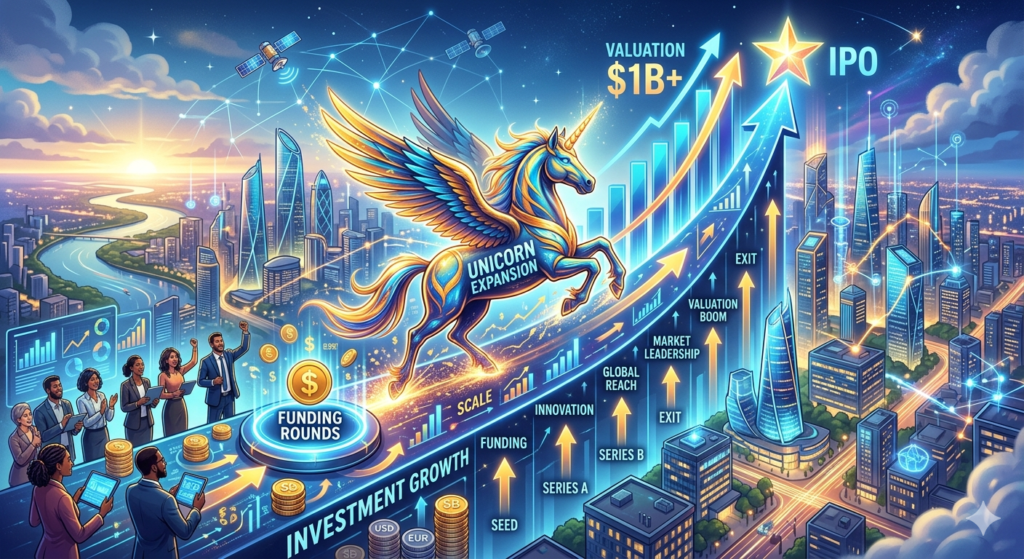
Even with global economic uncertainty, India continues to attract strong investment. Billions of dollars are being invested across sectors in 2024–25.
India now has 120+ unicorn startups — companies valued at over 1 billion dollars. This shows investor confidence in India’s market potential.
However, the ecosystem is becoming more mature. Investors are now focusing on sustainable growth and profitability instead of only rapid expansion. This shift is making startups stronger and more stable.
The Rise of Tier-2 and Tier-3 Cities:-
Earlier, startup culture was limited to metro cities. But now smaller cities are emerging as innovation centers. Cities like Indore, Jaipur, Surat, Lucknow, Kochi, and Coimbatore are producing successful founders.
Lower operational costs and growing internet penetration are supporting this change. Many entrepreneurs prefer building businesses in their hometowns where competition is lower and local markets are untapped.
This balanced growth is helping the country develop economically beyond metro cities.
Women Entrepreneurs Driving Change:-
Women are playing a stronger role in India’s startup story. In 2025, nearly 20% of startups have at least one woman founder.
Women-led startups are growing in sectors like:-
Education
Fashion and lifestyle
Health services
Financial technology
Social enterprises
Increased access to funding and mentorship is encouraging more women to enter entrepreneurship. This diversity is strengthening innovation.
Emerging Sectors Leading the Future:-
India’s startup ecosystem is moving beyond basic e-commerce. The next growth wave is coming from advanced sectors such as:-
Artificial Intelligence
Electric Vehicles
Climate and Clean Energy
Agritech
Biotechnology
Space Technology
Green startups are gaining attention as sustainability becomes important globally. Electric mobility and renewable energy solutions are expected to grow rapidly in the coming years.
Challenges That Still Exist:-
Despite strong growth, challenges remain. Early-stage funding can still be difficult for new founders. High competition and rising customer expectations create pressure.
Many startups fail because they focus only on expansion without building a strong revenue model. Profitability and financial discipline are becoming important in 2025.
Skill gaps in advanced technology areas also need improvement. Continuous learning and innovation are necessary to stay competitive.
Possibilities:- Sustainable and Global
India’s startup ecosystem is entering a more responsible phase. The focus is shifting toward:-
Sustainable business models
Long-term profitability
Ethical innovation
Global expansion
Indian startups are now serving international markets. Software products and digital platforms built in India are being used worldwide.
With a young population, expanding digital infrastructure, and strong investor interest, the future looks promising.
Conclusion:-
India’s rising startup ecosystem represents a powerful transformation. It reflects confidence, creativity, and courage. With over 1,25,000 startups, 120+ unicorns, and millions of jobs created, 2025 marks an important chapter in this journey.
However, long-term success will depend on innovation, sustainability, and strong business foundations.
(The startup movement in india is not showing down.)