
“When the value of money falls, the cost of living quietly rises.”
Introduction:-
The value of a country’s currency reflects its economic strength, global position, and financial stability. In 2025–26, the Indian Rupee has been facing a steady decline against the US Dollar, drawing attention from economists, policymakers, and even common citizens.
Rupee depreciation simply means that the rupee is losing value in comparison to foreign currencies. For example, if one US Dollar now costs around ₹92–93 instead of ₹85 earlier, it clearly shows that the rupee has weakened.
This change may look small at first, but its impact is wide and deep, affecting everything from fuel prices to foreign education.
Current Trend:- A Gradual but Clear Decline
The recent trend of the rupee shows a consistent downward movement. By the end of 2025, the rupee crossed the important mark of ₹90 per dollar, and in 2026, it has been trading close to ₹92–93.
Over the past year, the rupee has depreciated by around 4–5 percent. This is not a sudden crash but a steady fall, which indicates ongoing pressure rather than a one-time shock.
Such gradual depreciation suggests that the reasons are both global and domestic, and not limited to a single factor.
Why is the Rupee Falling?????
1. Rising Oil Import Burden:-
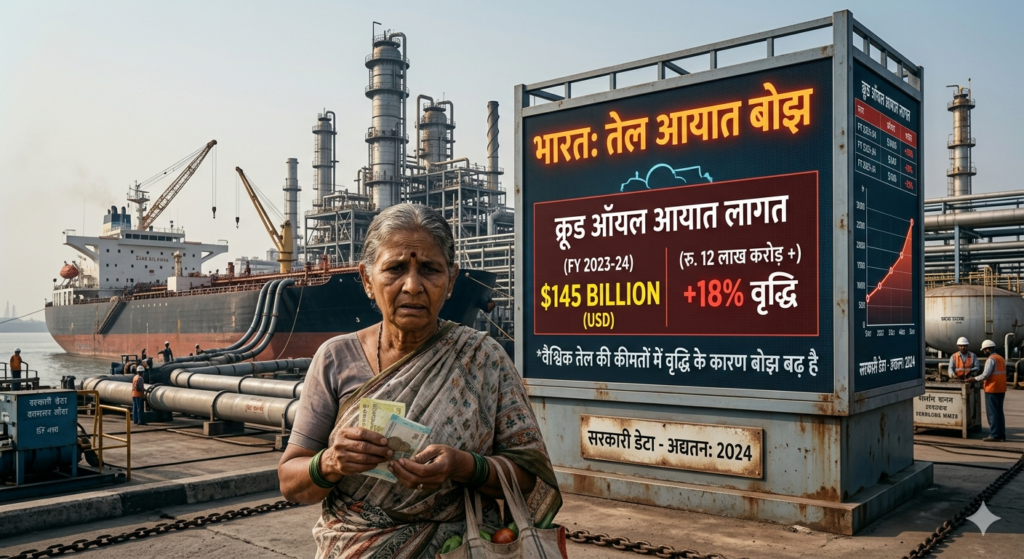
India depends heavily on imported crude oil. When global oil prices increase, India needs more dollars to pay for imports.
In 2025–26, high oil prices have increased the demand for dollars, putting direct pressure on the rupee. Since oil is used in almost every sector, its effect spreads across the entire economy.
2. Growing Trade Imbalance:-
India imports more goods than it exports, creating a trade deficit. Items like electronics, machinery, and gold add to the import bill.
When imports rise faster than exports, the demand for foreign currency increases. This imbalance weakens the rupee over time.
3. Strong Position of the US Dollar:-
The US Dollar has remained strong in the global market due to higher interest rates and stable returns.
As investors move their money toward the US for better returns, the demand for dollars increases. This automatically puts pressure on other currencies, including the rupee.
4. Outflow of Foreign Investment:-
Foreign investors play a major role in strengthening the rupee. However, during uncertain times, they tend to withdraw their investments.
In 2025–26, global uncertainties and better opportunities in developed economies have led to capital outflows from India. This reduces the supply of dollars in the Indian market and weakens the rupee.
5. Global Uncertainty:-
Economic instability, geopolitical tensions, and fear of slowdown at the global level make investors cautious.
In such situations, they prefer safe assets like the US Dollar. This shift in preference increases dollar demand and reduces the strength of emerging market currencies like the rupee.
6. Inflation Differences:-
Even though inflation in India has remained relatively controlled, differences in inflation between countries still matter.
Higher inflation reduces purchasing power and can gradually weaken a currency over time.
Impact of Rupee Depreciation:-
(Positive Side)
Boost to Exports:-
A weaker rupee makes Indian goods cheaper for foreign buyers. This helps exporters and improves competitiveness in global markets.
Gain for Service Sector:-
Sectors like IT and outsourcing benefit because they earn in dollars. When converted into rupees, their income increases.
Growth in Tourism:-
India becomes a more affordable destination for international tourists, which supports the tourism and hospitality sectors.
(Negative Side)
Expensive Imports:-
Fuel, electronics, and other imported goods become costlier, increasing the overall import bill.
Rising Inflation:-
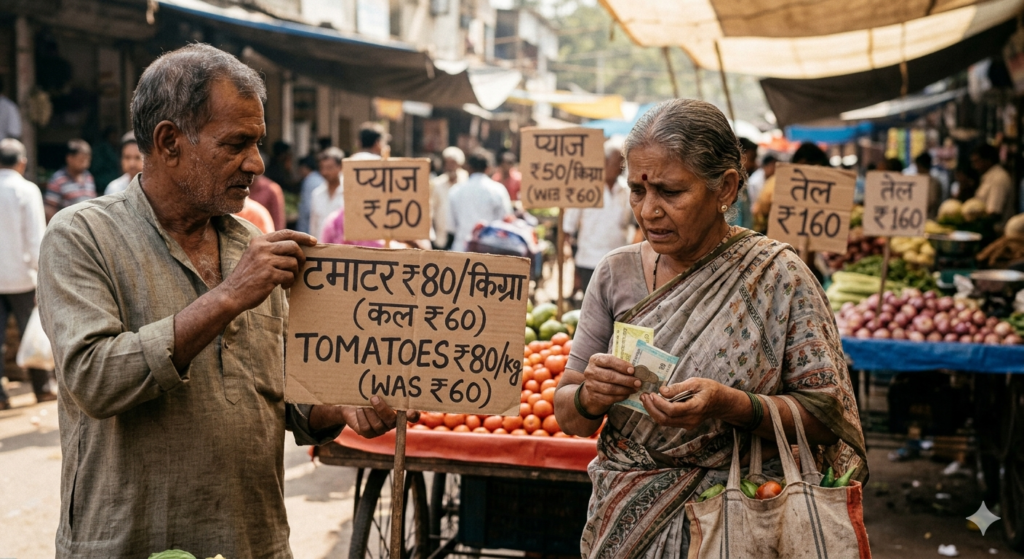
Higher import costs lead to an increase in prices of goods and services, making daily life more expensive.
Costly Education and Travel:-
Students studying abroad and people traveling internationally have to spend more due to a weaker rupee.
Pressure on Economic Balance:-
A continuous rise in imports without matching exports can widen the current account deficit.
Is This Situation Alarming???
Rupee depreciation is not always a sign of weakness. For a growing economy, moderate depreciation can actually support exports and growth.
The real problem arises when the fall is sudden and uncontrolled. In 2025–26, the depreciation has been gradual, which means the situation is still under control.
However, continuous pressure over time needs careful monitoring and policy action.
(Way Forward)
Reduce dependence on imported oil and promote alternative energy
Strengthen domestic manufacturing to cut down imports
Encourage exports by improving quality and global reach
Attract stable foreign investment through better policies
Maintain economic stability and investor confidence
These steps can help in reducing pressure on the rupee in the long run.
Conclusion:-
Rupee depreciation in 2025–26 reflects a mix of global challenges and domestic realities. Rising oil prices, a strong US Dollar, capital outflows, and trade imbalances have all contributed to the weakening of the currency.
While it creates some opportunities for exports, its impact on inflation and cost of living cannot be ignored. The key lies in managing this situation with balanced policies and long-term planning.
“A currency may fall in value, but a strong economy always finds its way back to stability.”